
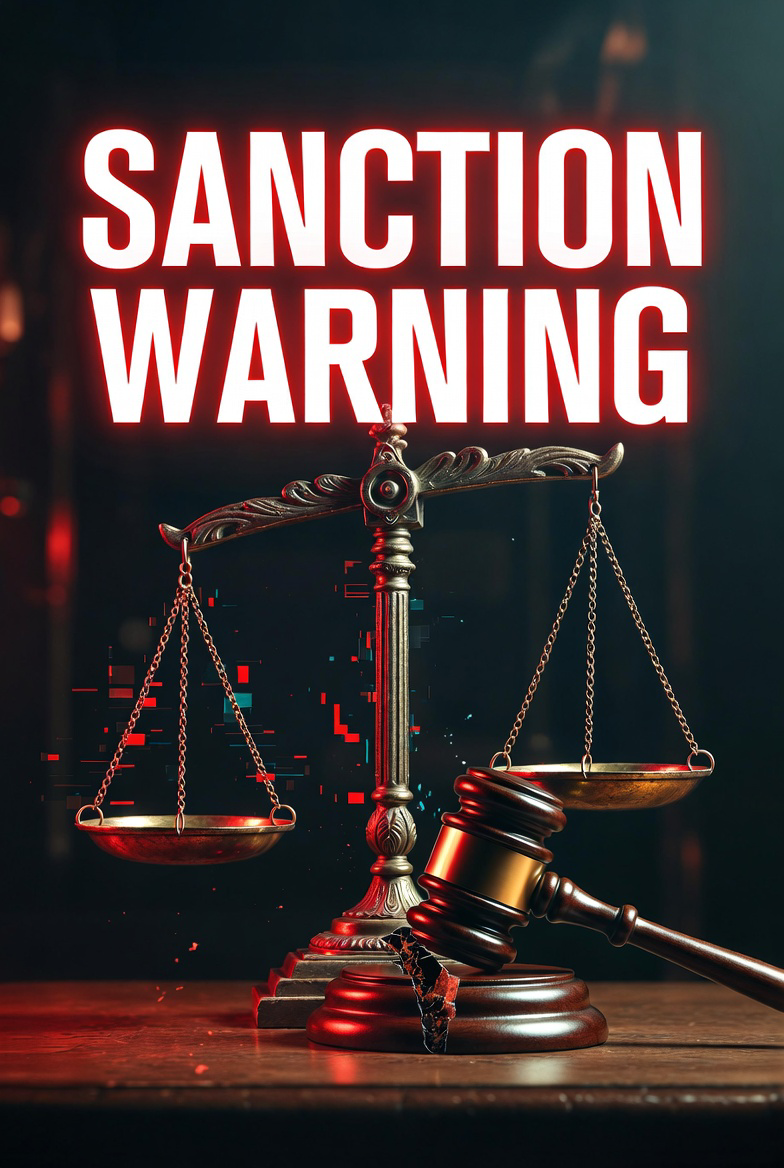
The AI Sanction Wave: $145K in Q1 Penalties Signals Courts Have Lost Patience with GenAI Filing Failures
AI risk in law firms is no longer theoretical—it is being enforced.
In the first quarter of 2026 alone, courts imposed more than $145,000 in sanctions tied to AI-generated hallucinations, including fabricated citations and misrepresented legal authority. What began as isolated incidents has rapidly evolved into a measurable and escalating enforcement trend.
The shift is significant: courts are no longer reacting to mistakes—they are establishing expectations. Verification, supervision, and documentation are now baseline requirements for any AI-assisted legal work.
At the same time, a striking tension has emerged. While attorneys are being sanctioned for AI-related failures, a majority of federal judges report using AI tools in their own workflows. This paradox underscores the real issue: not AI adoption, but unstructured use without governance.
For law firms, the implication is clear. AI is not a technology decision—it is a risk management and governance obligation.
Download the AI Guardrail Framework
A practical model to identify AI risk exposure and establish defensible controls.
👉 Download the AI Guardrail Brief
👉 Schedule a 20-minute assessment
GAO Sanctions for Generative AI Misuse: A Warning Signal Law Firms Cannot Ignore
The GAO is sanctioning AI-related errors in legal filings. Understand the risks—and how to protect your firm with defensible AI controls.
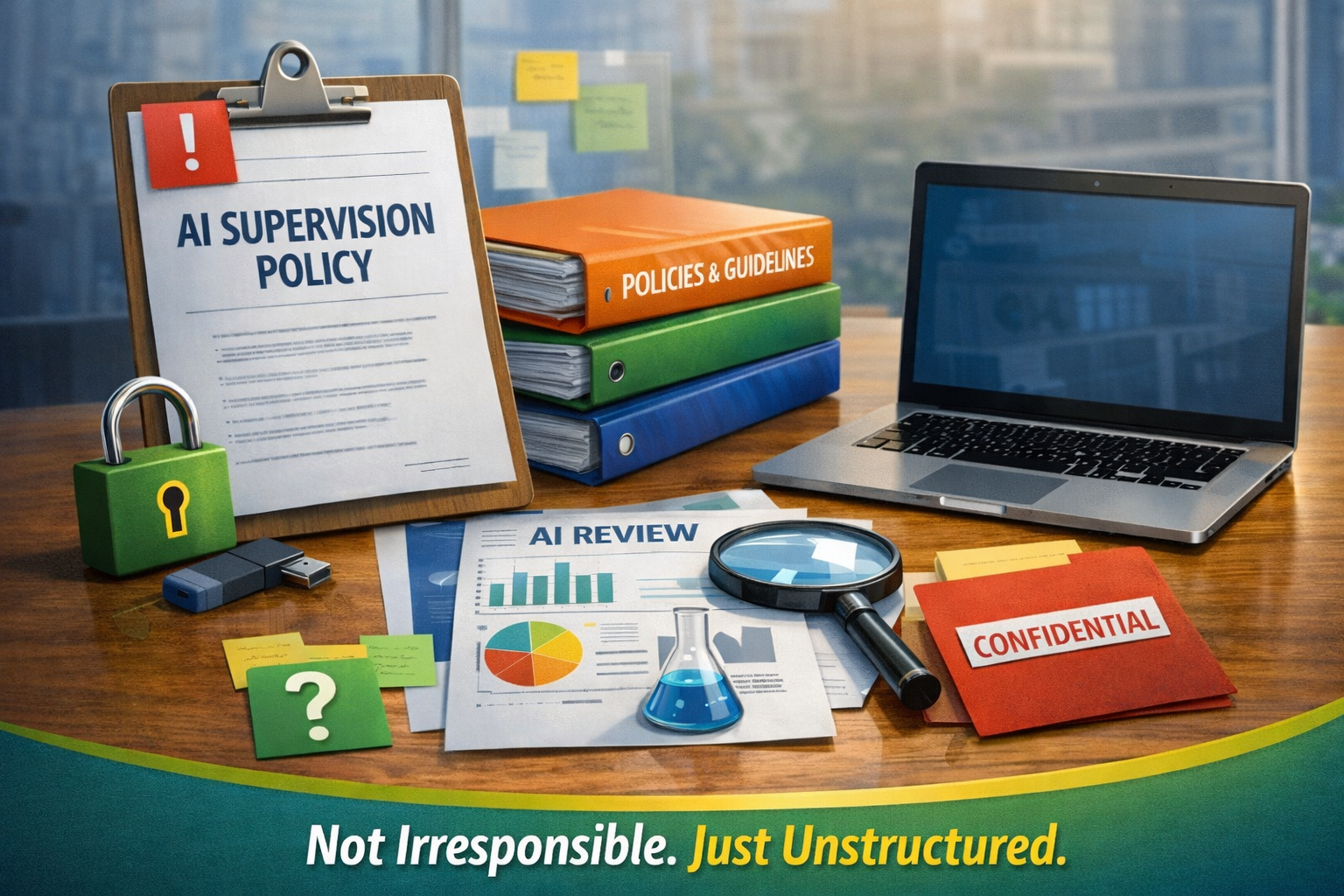
AI Governance in Small Law Firms: Practical Supervision Standards for Responsible AI Use
AI is entering law firm workflows faster than most firms realize — and the supervision burden is growing. This post explains the most common AI governance gaps in small firms and provides a practical framework to establish acceptable-use boundaries, confidentiality safeguards, and meaningful human review standards.
Ethical and Responsible AI Adoption in Small Firm Practice: Liability, Compliance, and Best Practices in Southern California
Artificial intelligence is rapidly entering small firm legal practice, but its use raises serious ethical and liability considerations. This article examines how small law firms can adopt AI responsibly by aligning with ABA guidance and state Bar rules on competence, confidentiality, supervision, and professional responsibility. It provides practical best practices to help firms use AI safely while reducing professional risk.
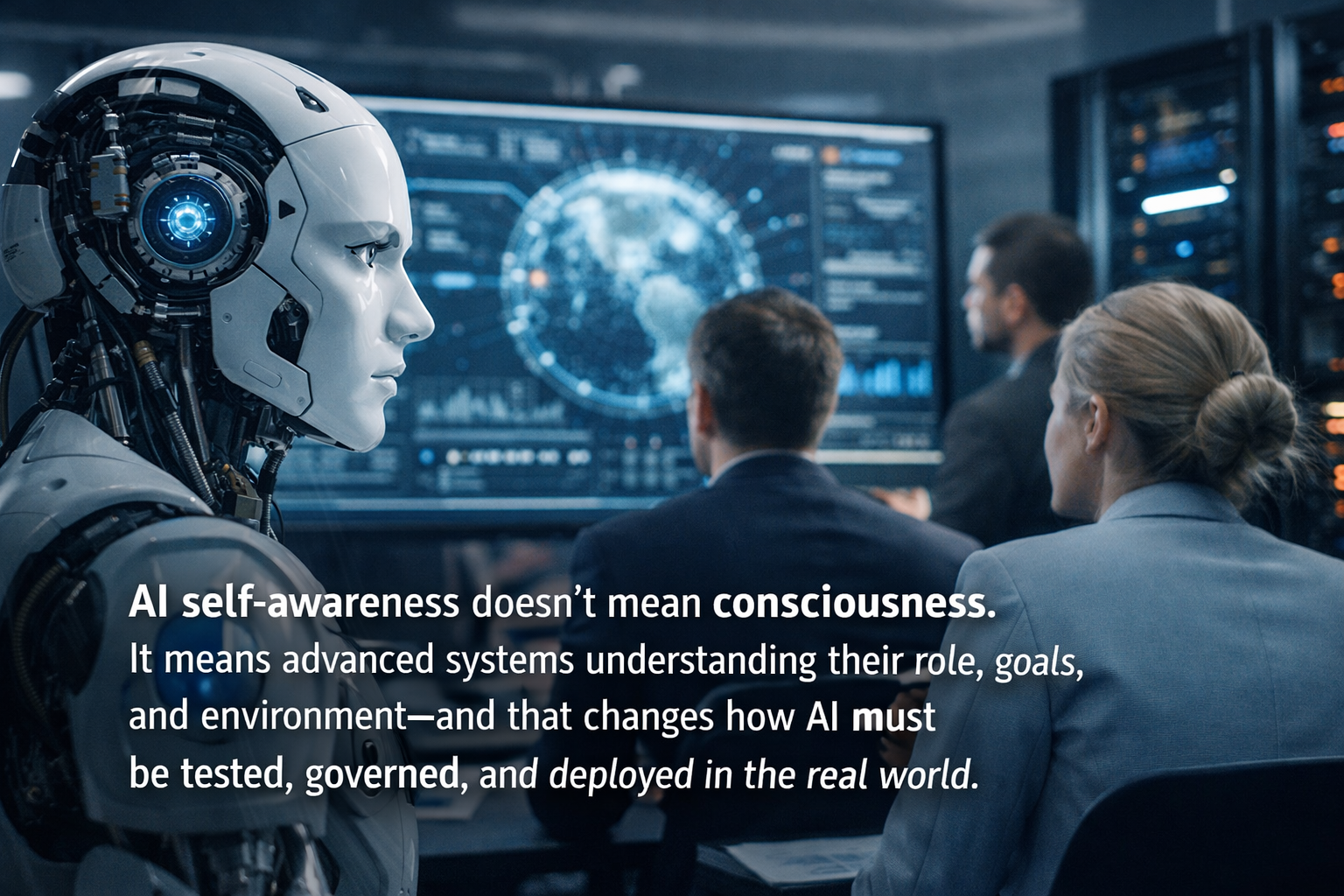
Stress-Testing AI Self-Awareness:
AI self-awareness doesn’t mean consciousness. It means advanced systems understanding their role, goals, and environment—and that changes how AI must be tested, governed, and deployed in the real world.
American Bar Association Formal Opinion 512 – Artificial Intelligence and the Practice of Law
Formal Opinion 512 is the ABA’s authoritative guidance on the ethical use of generative AI by lawyers. It confirms that AI may be used in practice, but responsibility, competence, confidentiality, and professional judgment remain with the lawyer—not the technology.
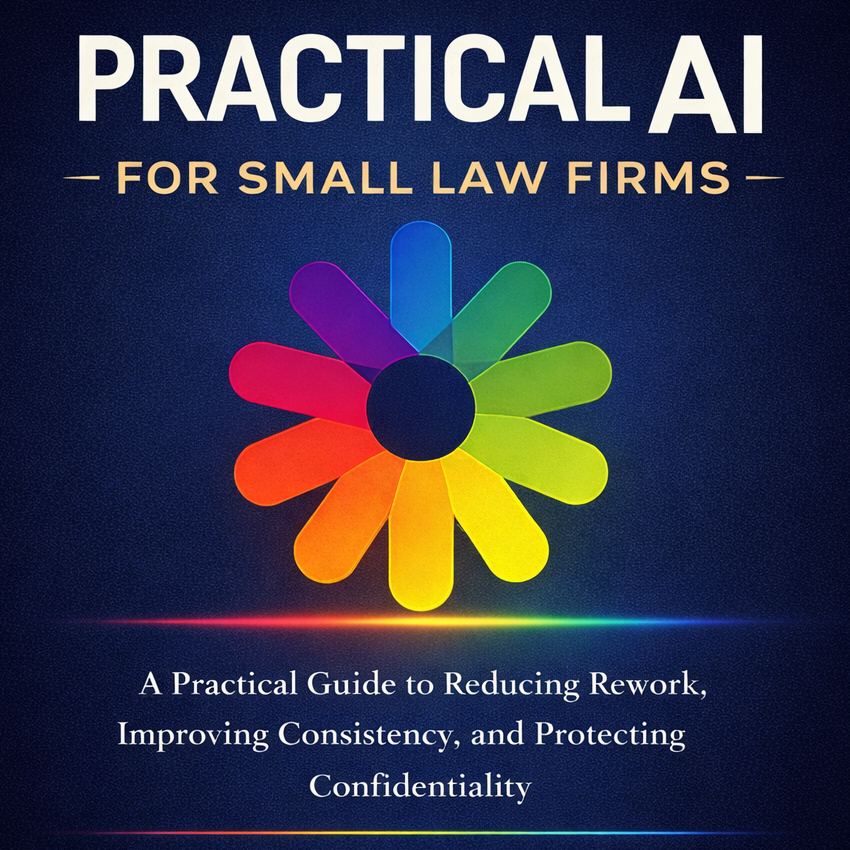
Practical AI for Small Law Firms
Small law firms are under constant pressure to deliver high-quality legal work with limited time, staff, and process slack. Practical AI for Small Law Firms provides a disciplined, workflow-by-workflow approach to evaluating where AI can responsibly reduce friction—without compromising professional judgment, client trust, or ethical obligations.