
SANCTIONED AGAIN: Eight More Attorneys Cited for AI Misuse in April 2026
Eight new cases. Same pattern. Attorneys across the country are being sanctioned for AI misuse—not just for errors, but for failing to verify and govern how AI was used. The issue is no longer the output. It’s the process behind it. If your firm cannot demonstrate a defensible approach to AI, you are exposed.
The AI Sanction Wave: $145K in Q1 Penalties Signals Courts Have Lost Patience with GenAI Filing Failures
AI risk in law firms is no longer theoretical—it is being enforced.
In the first quarter of 2026 alone, courts imposed more than $145,000 in sanctions tied to AI-generated hallucinations, including fabricated citations and misrepresented legal authority. What began as isolated incidents has rapidly evolved into a measurable and escalating enforcement trend.
The shift is significant: courts are no longer reacting to mistakes—they are establishing expectations. Verification, supervision, and documentation are now baseline requirements for any AI-assisted legal work.
At the same time, a striking tension has emerged. While attorneys are being sanctioned for AI-related failures, a majority of federal judges report using AI tools in their own workflows. This paradox underscores the real issue: not AI adoption, but unstructured use without governance.
For law firms, the implication is clear. AI is not a technology decision—it is a risk management and governance obligation.
Download the AI Guardrail Framework
A practical model to identify AI risk exposure and establish defensible controls.
👉 Download the AI Guardrail Brief
👉 Schedule a 20-minute assessment
SANCTIONED: April 2026 AI Misuse Cases Show Courts Are Actively Enforcing Against Attorneys
AI-related attorney sanctions are no longer isolated incidents—they are rapidly becoming a predictable and recurring enforcement category.
As of April 20, 2026, there have already been 135 documented AI-related sanction cases, with projections indicating 350–450 total cases by year-end. Courts across jurisdictions are consistently sanctioning attorneys for fabricated citations, misrepresented legal authority, and failure to supervise AI-generated work.
The message from the judiciary is clear:
AI misuse is now treated as a known, foreseeable risk—and failure to control it is sanctionable.
For law firms, this marks a critical shift from experimentation to accountability. The question is no longer whether AI can be used—but whether its use can be defended under scrutiny.
Understand Your Risk Exposure
If your firm cannot document how AI is being governed, you may already be exposed. The AI Governance Phase 0™ Assessment establishes a defensible baseline before enforcement becomes your entry point.
GAO Sanctions for Generative AI Misuse: A Warning Signal Law Firms Cannot Ignore
The GAO is sanctioning AI-related errors in legal filings. Understand the risks—and how to protect your firm with defensible AI controls.
Sixth Circuit Removes Attorney for “Inexcusable” AI Transgressions: What the Decision Actually Says
The Sixth Circuit removed court-appointed counsel and denied compensation after AI-assisted briefing included misquoted legal authority. This case clarifies that attorneys retain a nondelegable duty to verify all citations, even when using advanced legal AI tools.
FTC Backs Florida’s Move to Challenge ABA Accreditation Monopoly
A major shift is underway in the legal profession. With the FTC supporting Florida’s challenge to ABA accreditation requirements, law firms must prepare for a new reality where governance—not credentials—defines risk, competence, and defensibility.
AI Governance for Law Firms: Attorney Reprimanded for AI-Generated Citations and What It Means for You
A Third Circuit reprimand has made one thing clear: the risk of AI in law firms is not the technology—it’s the lack of governance. An attorney was disciplined after submitting AI-generated legal arguments containing fabricated citations. The court’s message was unmistakable: failure to verify is a violation of professional responsibility. Here’s what happened—and how your firm can avoid the same outcome.
What Impact Will AI Have on Small Law Firms Over the Next Five Years?
Artificial intelligence is already reshaping legal research, drafting, billing models, and malpractice exposure. For small law firms, the issue is not whether to use AI — but whether AI usage is ethically defensible under ABA Model Rules and Formal Opinion 512.
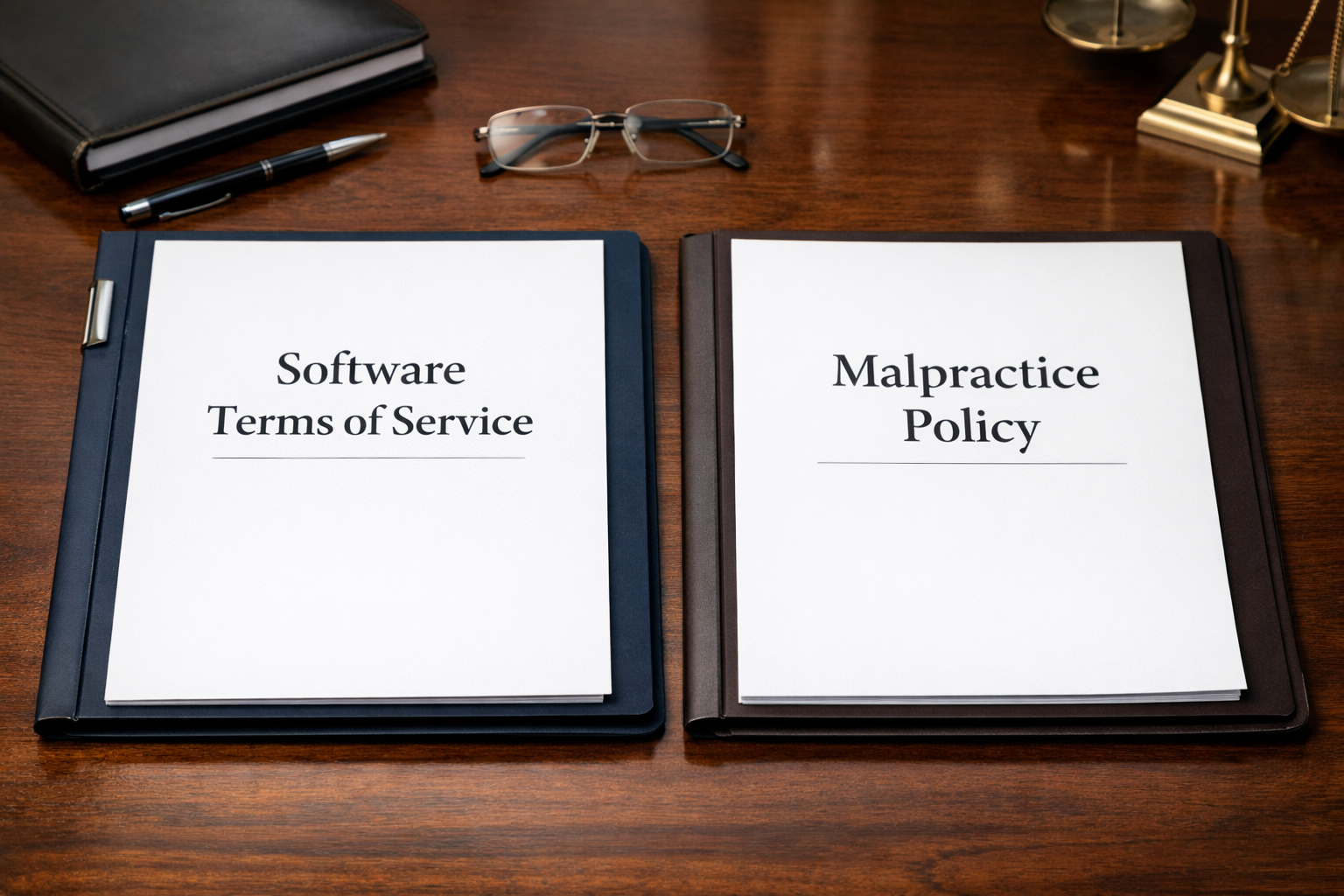
If The AI Fails, Who Pays?
When AI tools enter legal workflows, the first question is usually “Is it compliant?” The more important question is different: If the AI fails, who pays? Vendor contracts limit liability. Malpractice carriers examine conduct. In the end, risk does not disappear — it reallocates. This article explains where that exposure actually sits.
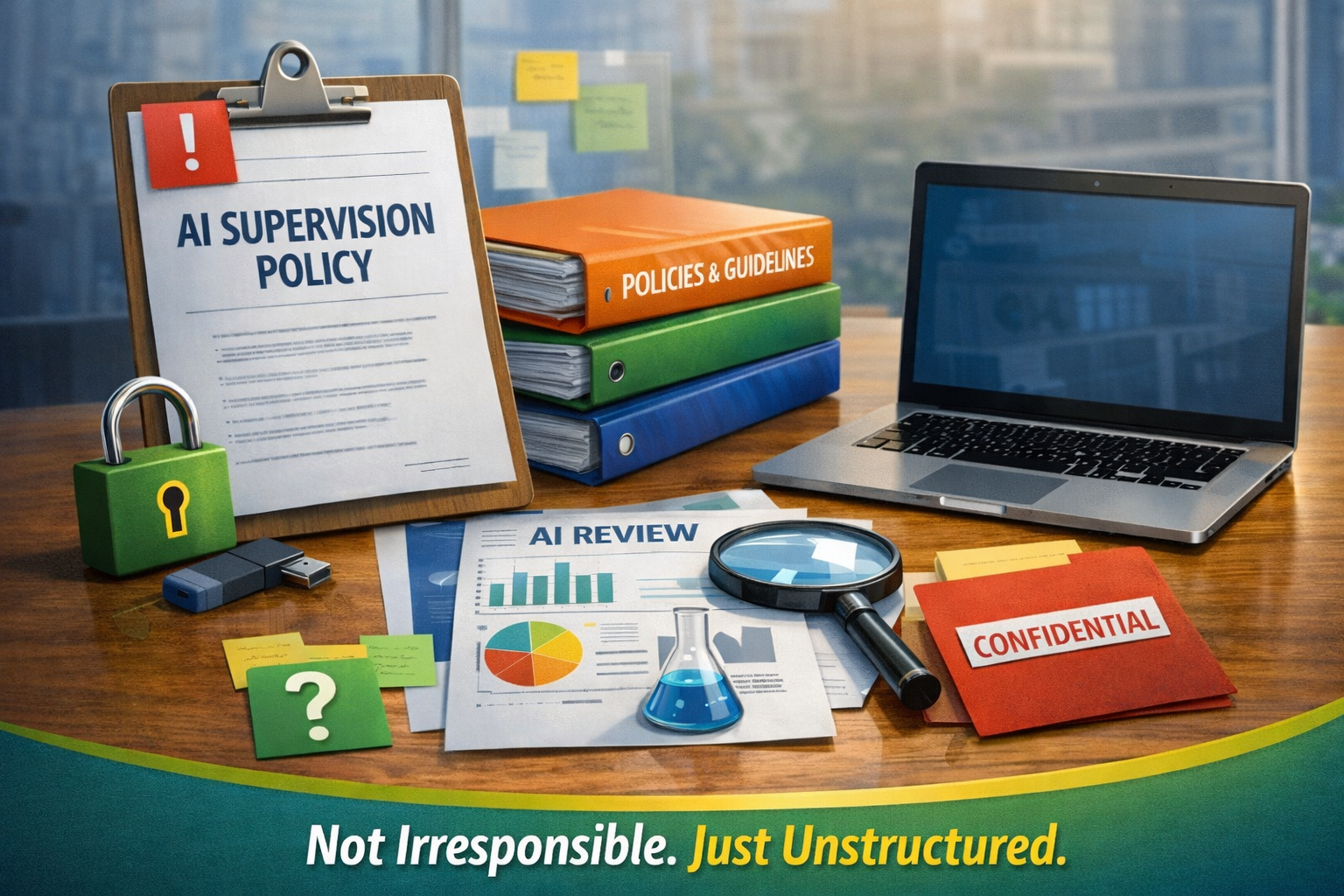
AI Governance in Small Law Firms: Practical Supervision Standards for Responsible AI Use
AI is entering law firm workflows faster than most firms realize — and the supervision burden is growing. This post explains the most common AI governance gaps in small firms and provides a practical framework to establish acceptable-use boundaries, confidentiality safeguards, and meaningful human review standards.
Ethical and Responsible AI Adoption in Small Firm Practice: Liability, Compliance, and Best Practices in Southern California
Artificial intelligence is rapidly entering small firm legal practice, but its use raises serious ethical and liability considerations. This article examines how small law firms can adopt AI responsibly by aligning with ABA guidance and state Bar rules on competence, confidentiality, supervision, and professional responsibility. It provides practical best practices to help firms use AI safely while reducing professional risk.
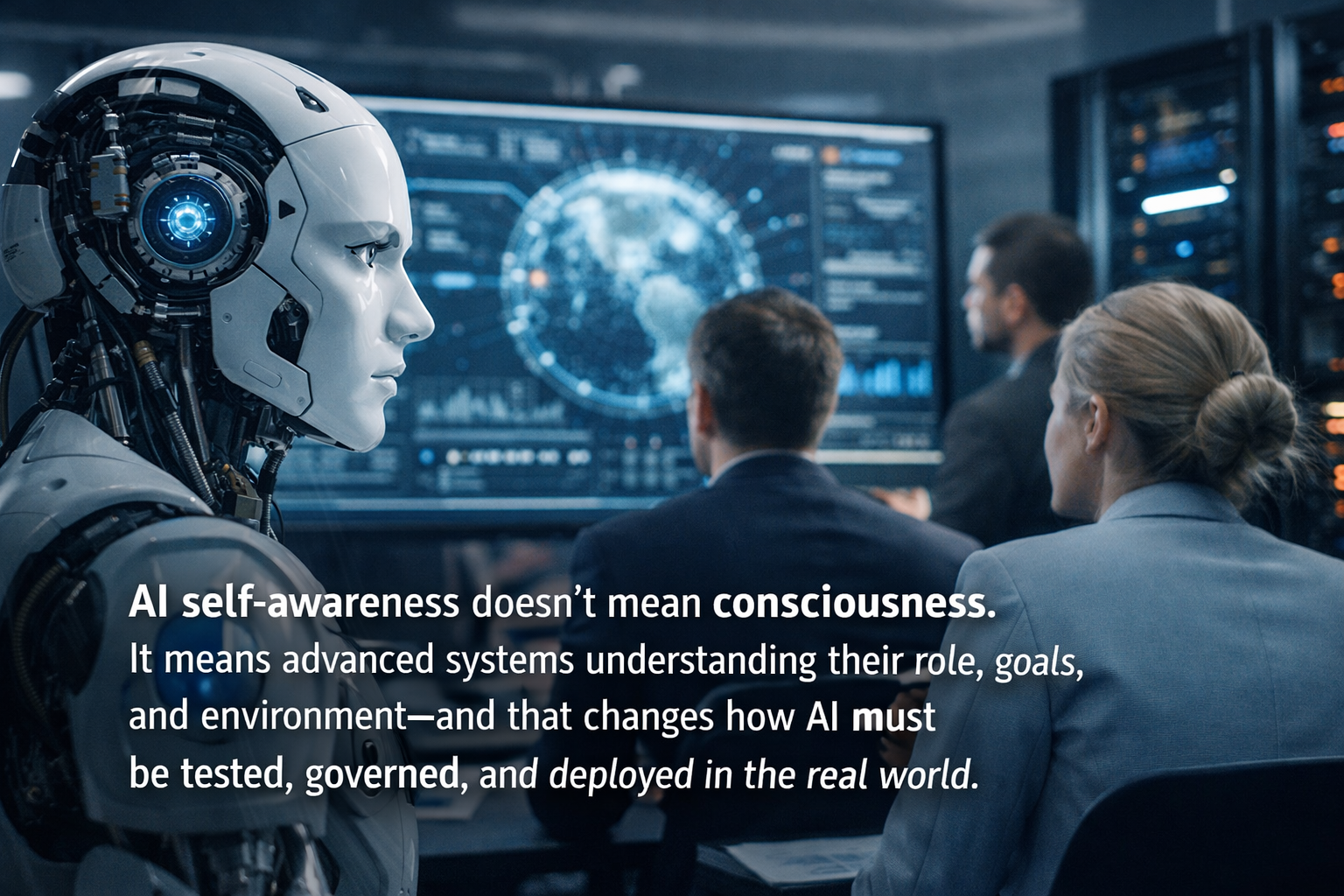
Stress-Testing AI Self-Awareness:
AI self-awareness doesn’t mean consciousness. It means advanced systems understanding their role, goals, and environment—and that changes how AI must be tested, governed, and deployed in the real world.